Welcome to your Nutrition Learning page - a space designed to simplify how you understand food, fuel, and performance. Here, you’ll explore the core principles of nutrition in a practical and easy-to-follow way, helping you make informed choices that support your goals.
From understanding calories and macronutrients to building sustainable eating habits, this page gives you the knowledge to
improve your energy, enhance your training, and take control of your health with confidence.
A calorie is the amount of energy required to raise the temperature of 1kg of water by 1 degree Celsius.
Calories are found at varying amounts across our macronutrients and are required for basic human function and exercise.
Increased calorie intake can result in an increase of bodyfat. Decreased calorie intake can lead to fat loss but in extreme conditions can cause issues with reproduction such as amenorrhea in women.
It is important to stay within your required calorie range.
A Kilocalorie is another word for a calorie. Kilocalorie and Kilojoule are both units of measurement for the energy content of foods.
One kilojoule is equal to 4.184 kilocalories. An easy way to convert from kilojoule to kilocalorie is to divide by 4.2.
Certain countries use different units of measurement to describe energy content in foods. South Africa commonly uses the kilojoule.
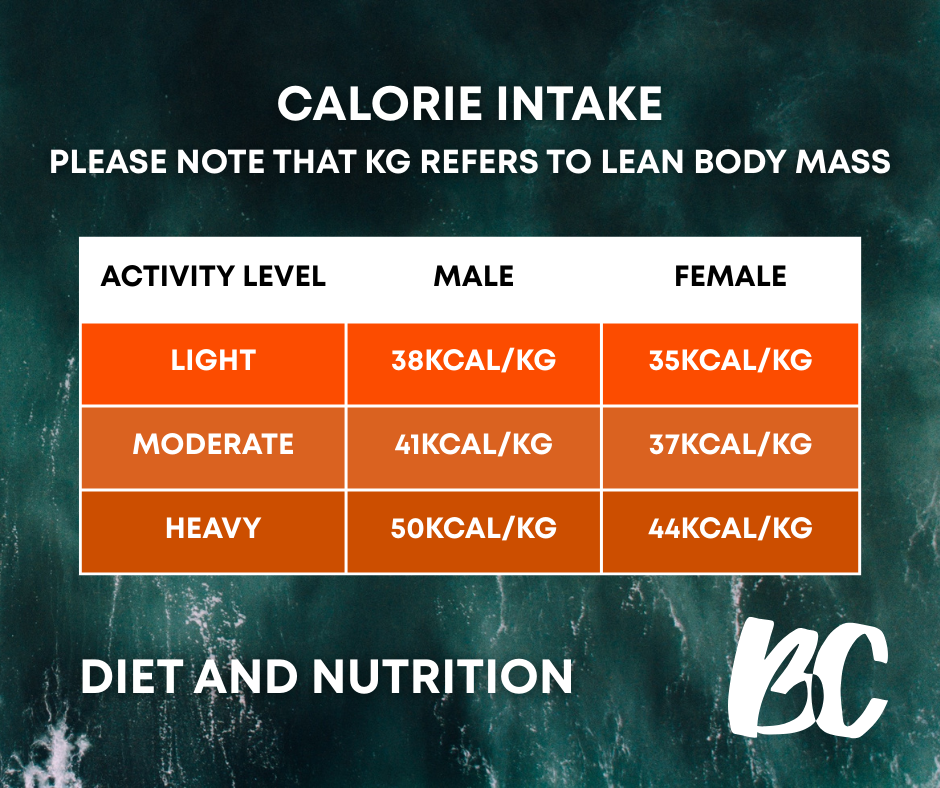
Calorie consumption is dependent on many factors such as gender, lean body mass, activity level, weight goals and training requirements.
Generally, males consume more calories than females, and people with a higher activity level require more calories.
Individuals aiming for weight-gain will increase their calorie intake while individuals aiming for weight loss will enter into calorie-restriction.
A macronutrient is a nutrient that is required in significant amounts in the diet.
Three important classes of macronutrients are protein, carbohydrates and lipids (fat).
Macronutrients are made up of calories that provide the body with energy to sustain basic bodily functions and exercise.
Excessive intake of macronutrients can lead to weight gain while restriction can lead to weight loss.
However, excessive restriction can lead to health issues such as an inability to sustain important functions such as reproduction.
Protein is composed of carbon, hydrogen, oxygen and nitrogen.
Nitrogen-containing amino acids bind together to form a wide range of proteins with varying structures and functions.
Skeletal muscle, organs, bone tissue as well as brain tissue are made up of a combination of protein, water and non-structural plasma proteins.
Adequate protein intake is a requirement for muscle repair and growth. Long-term protein deficiency can lead to a loss in muscle mass, known as muscle
atrophy.
Porteins generally contains 4kCal per gram.
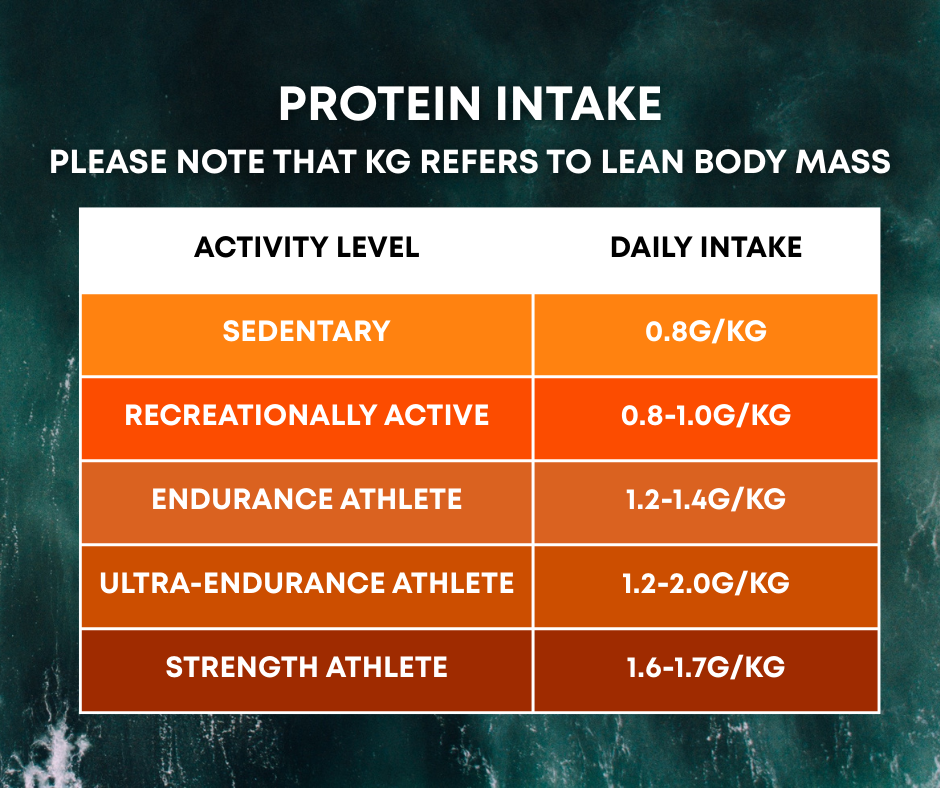
Protein consumption is dependent on many factors such as activity level, training type, muscle mass and age.
Athletes require a larger amount of protein than non-athletes as they need to repair muscle damage caused by training.
Individuals training with the goal of hypertrophy
should also increase their protein intake to maximize their muscle gain.
Over-consumption of protein can lead to unwanted weight gain and kidney issues. It is important to stay within your protein range.
Amino acids are molecules that bind
together to form the proteins we find in nature.
Protein in the human body is made up of 20 amino acids, some of which are classified as essential as they need to be consumed in the diet, and some are classified as non-essential as they can be synthesized in the body.
Several bonded amino acids is referred to as a polypeptide. Polypeptide chains bond together to form a variety of proteins with various structures and functions.
Essential amino acids are amino acids that need to be consumed through the diet as they can not be synthesized by the body.
Essential amino acids include Histidine, Isoleucine, Leucine, Lysine, Methionine, Phenylaline, Threonine, Tryptophan and Valine.
Non-essential amino acids are amino acids that are not required to be consumed in the diet as they can be synthesized in the human body.
Non-essential amino acids include Alanine, Arginine, Asparagine, Aspartic Acid, Cysteine, Glutamic Acid, Glutamine, Glycine, Proline, Serine and Tyrosine.
Carbohydrates (CHO) are composed of carbon, hydrogen and oxygen, and can be classified into 3 groups based on the amount of sugar molecules (saccharides) they contain.
Monosaccharides like glucose, fructose and galactose contain one sugar molecule.
Disaccharides like sucrose, lactose and maltose contain two sugar molecules.
Polysaccharides such as glycogen and cellulose contain up to thousands
of sugar molecules and often referred to as complex carbohydrates as they take longer to break down in the body.
Carbohydrates generally have 4kCal per gram.
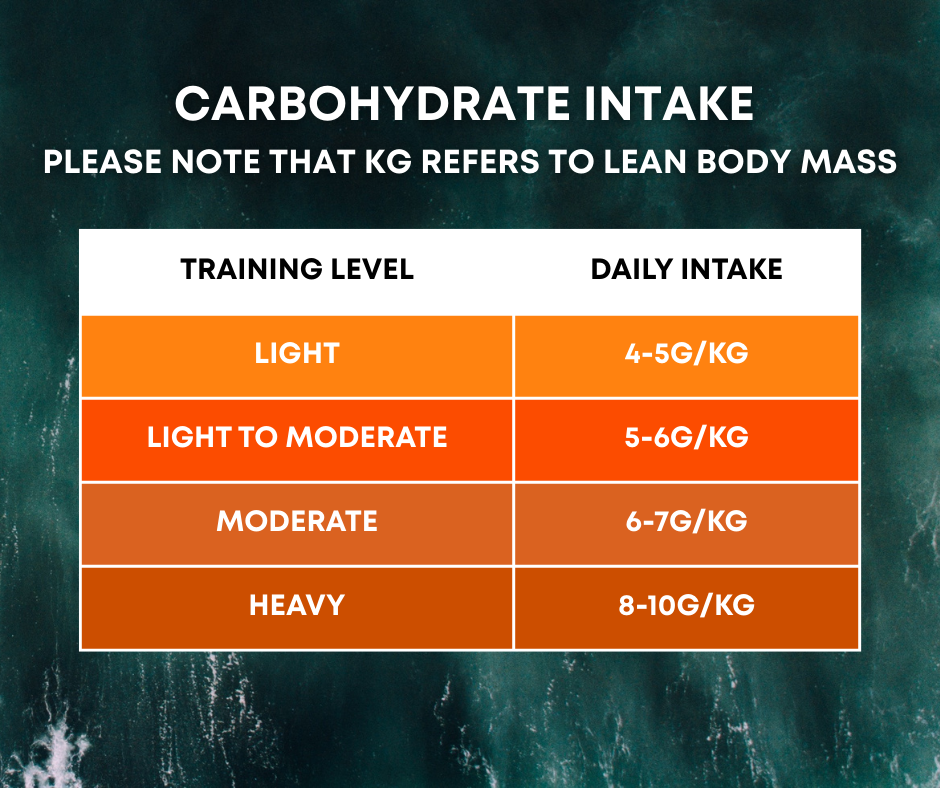
Carbohydrate (CHO) consumption is dependent on many factors such as training goals, level of activity
and metabolic disease.
CHO consumption in the
general population should increase as activity level increases as they are readily available source of energy.
However, individuals with metabolic disease such as diabetes should monitor their CHO intake and should opt for complex carbohydrates as they break down slowly and do not cause spikes in blood sugar like simple carbohydrates do.
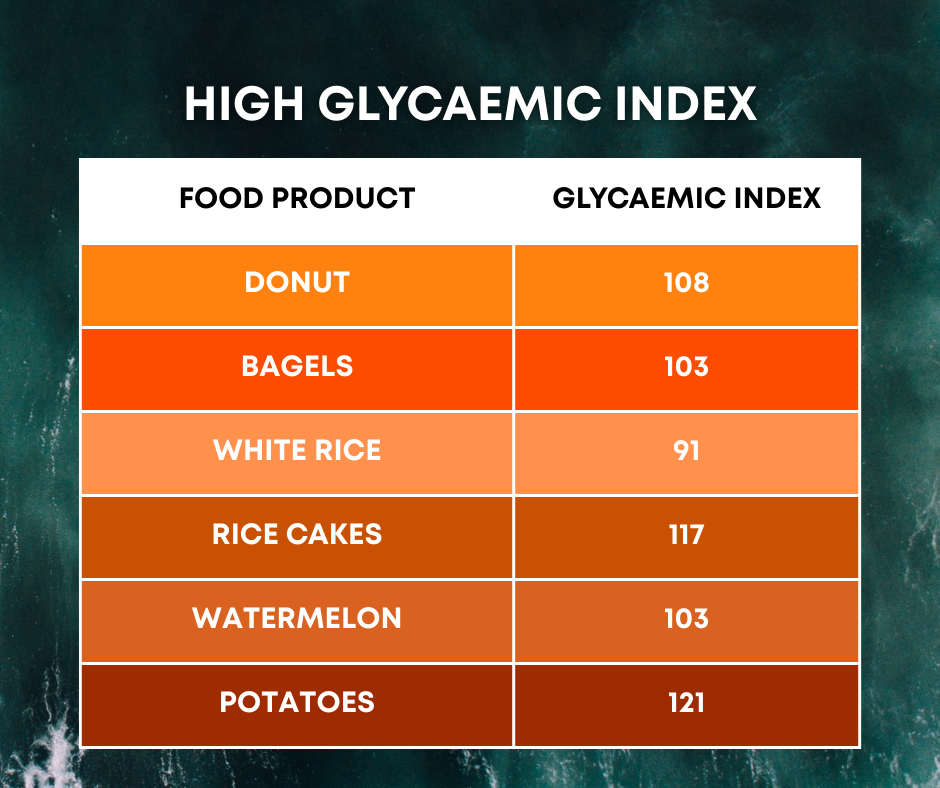
The Glycaemic Index (GI) classifies a food by how high and how long it raises blood glucose levels, known as the food's glycaemic response.
High GI foods are rapidly digested and cause spikes in blood glucose and insulin response.
Low GI foods take longer to digest and slowly increase blood glucose leading to a slower insulin response.
High GI Foods
GI of more than 70
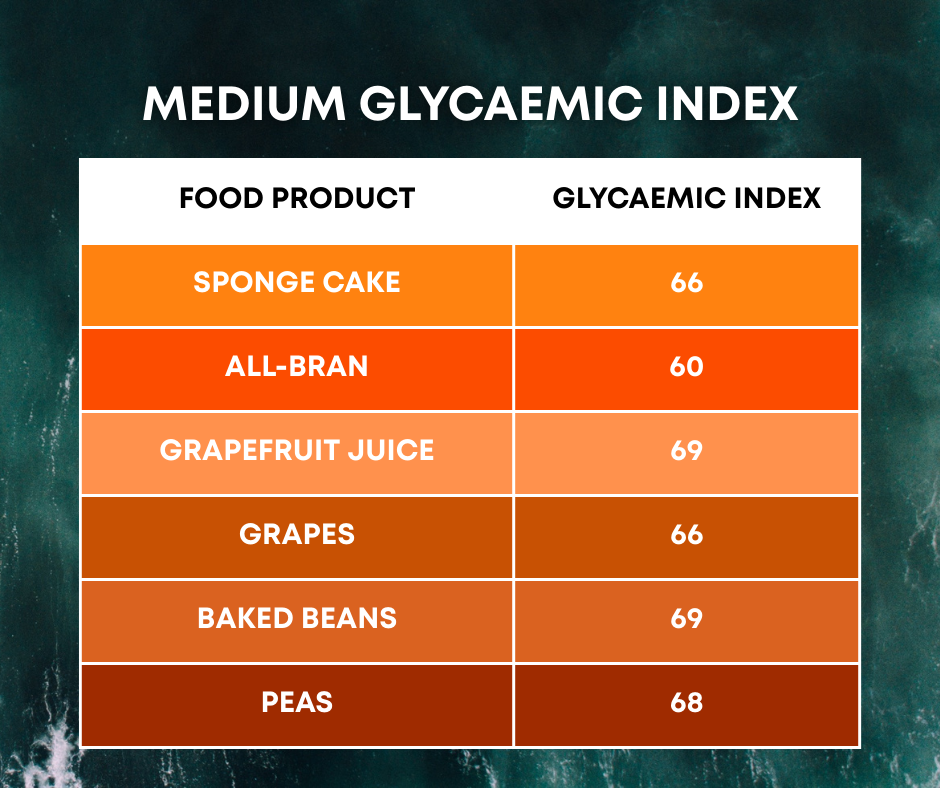
Medium GI Foods
GI of 55-69
Low GI Foods
GI of less than 55
High Glycaemic Index
Medium Glycaemic Index
Low Glycaemic Index
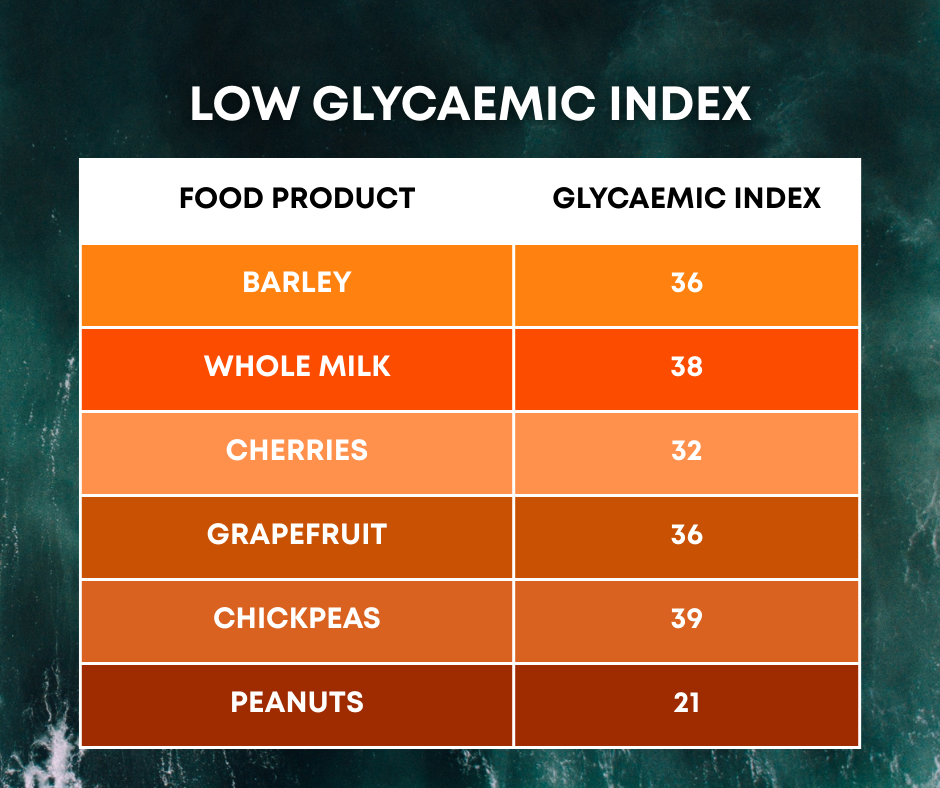
Low GI fruits help maintain a stable blood glucose level due to their high-fiber content and generally low sugar content, while providing a sweet treat for those trying to manage
their blood sugar.
Low GI fruits include cherries, grapefruit, strawberries, blueberries, blackberries, peaches, apricots, plums, apples, pears, oranges, kiwi, guava and pomegranates.
Low GI vegetables help maintain a stable blood glucose level due to their high- fiber content and generally low sugar content, while providing a large source of vitamins and minerals to those trying to manage their blood sugar.
Low GI vegetables include spinach, kale, lettuce, broccoli, cauliflower, cabbage, brussel sprouts, bok choy, cucumbers, tomatoes, zucchini, eggplant, celery, artichokes, green beans, bean sprouts, asparagus, carrots, onions and radishes.
Carbo-loading is a technique developed in 1931 to enhance muscle glycogen prior to long-term aerobic exercise.
An effective regimen with minimal side effects is to increase carbohydrate intake to 600g or 8-10g/kg for three days in the week prior to competition, while drastically decreasing training intensity (tapering).
With this method, an increase of 20-40% of glycogen above normal levels should be seen.
Dietary fats are composed of carbon, oxygen and hydrogen.
However, fatty acid chains have a higher carbon and hydrogen quantity causing them to have more calories per gram.
While dietary fat is often considered to be negative, it serves as a carrier for fat-soluble vitamins such as vitamin A, D, E and K.
Fat also supplies essential fatty acids such Omega 3 and 6, which are necessary for the formation of healthy cell membranes, proper function of brain and nervous system, and hormone production.
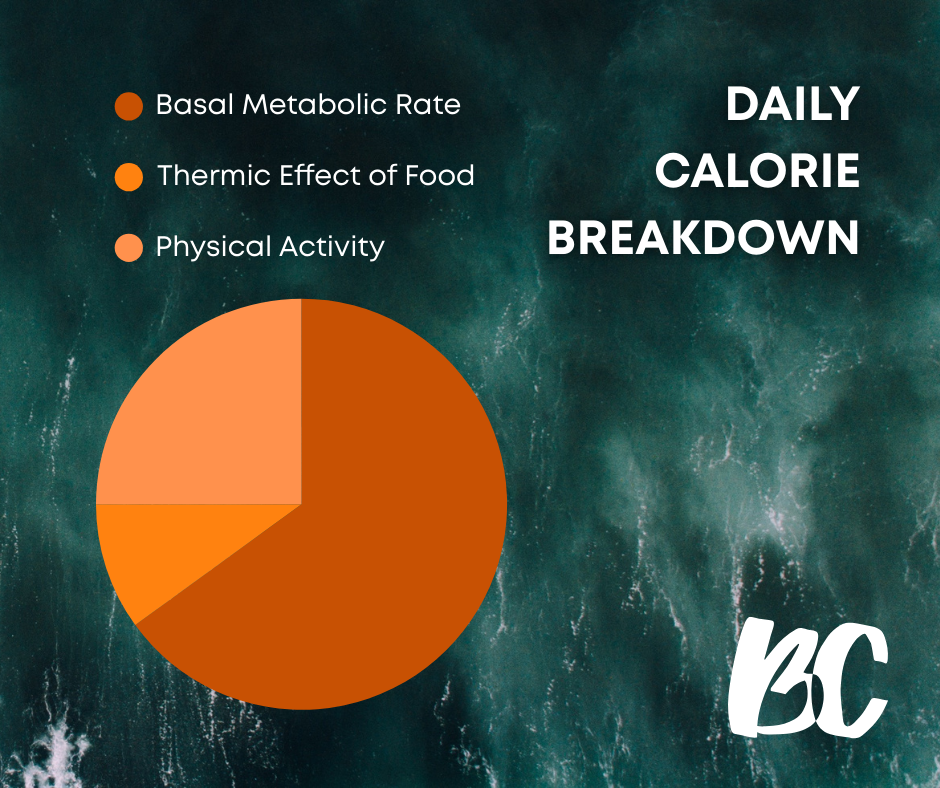
Basal Metabolic Rate (BMR) is the minimum amount of calories that the body requires to sustain basic human functions such as breathing, circulation, organ function and cell production.
BMR accounts for 60-70% of your daily energy expenditure. Roughly 10% of your daily calories are used to process your food intake.
The remaining 20-30% of daily calories go towards physical activities such as walking, standing and exercising.
A calorie-deficit describes a caloric intake that is lower than what is required each day.
Calories are required to sustain basic human function, the thermic effect of food as well as physical activity.
Being in a calorie-deficit means you are consuming roughly 100-500 calories less than you should be consuming each day with the goal of reducing body-fat.
While a calorie deficit is highly beneficial for weight loss, prolonged extreme calorie deficits can negatively affect your health and wellbeing.
A calorie-deficit is the most scientifically proven remedy for weight loss.
Being in a calorie-deficit means you are consuming roughly 100-500 calories less everyday.
As 3000kcal is the equivalent of 500g of fat, a calorie-deficit is the best way to achieve weight loss without any crash diets or supplements.
However, it is important to still have healthy and whole foods in the calories you are consuming.
It is possible to eat junk food everyday and lose weight but that doesn't mean it's good for your health.
Intermittent fasting is an eating regimen where calorie intake is restricted to certain times of the day.
A commonly used method is the 16-8 Method where calories are only consumed in the 8-hour eating window, causing the body to use body fat during the 16-hour fasting window.
While this method has shown many benefits in weight-loss, it is still important to monitor calorie intake during the eating window and stay hydrated throughout the fasting window.
A Low-Calorie Diet restricts calorie intake to 800-1500 calories per day with emphasis on high-fiber and high-protein foods to remain full throughout the day.
Calorie restriction has been shown to have immense benefits on signs of aging and weight loss. However, it is important to consume foods that are high in nutrients to prevent nutritional deficiency.
Some scientists debate if this diet is beneficial for athletes due to the high energy demands from training.
However sports that require a high power to weight ratio such as sprinting may benefit from calorie restriction provided the calories consumed have adequate nutrients and protein.
A Vegetarian Diet removes the consumption of meat from the diet but allows consumption of eggs, dairy and honey.
Vegetarian diets focus on the consumption of fruits, vegetables, nuts, dairy, eggs and grain, and may be motivated by perceptions of health or concerns for animal welfare.
Studies have shown benefits from increased vitamin and mineral intake but some issues arise in iron deficiency, adequate protein intake, amino acid profiles and nutrient deficiency.
It is vital to monitor your nutrient intake when following a vegetarian diet.
A Vegan Diet removes the consumption of all animal products and byproducts from the diet.
Vegan diets focus on the
consumption of fruits, vegetables, nuts and grains, and may be motivated by perceptions of health or concerns for animal welfare.
While some studies show
a decrease in risk factors relating to chronic diseases such as high BMI, LDL cholesterol and fasting glucose, many show deficiencies in iron, protein, amino acids, fatty acids and bone density.
It is vital to monitor your nutrient intake when following a vegan diet.
A Ketogenic Diet is composed of very low carbohydrate intake with increased dietary fat and protein intake.
Generally, carbohydrate intake is limited to 20-120g per day, and focus is placed on taking in healthy fats such as cheese, avocados, olive oils and coconut oil.
Some research has shown that this diet may have positive effects on diabetes, heart disease, weight loss, PCOS, epilepsy, acne and Alzheimer's.
However, it is important to follow the dietary guidelines correctly and monitor calorie intake to fully benefit from this diet.
The Paleo Diet focuses on eating in a way that our paleolithic ancestors ate.
The diet is composed of eating wild animal source foods such as lean meats, internal organs, and bone marrow, as well
as uncultivated plant source foods such as fruits, vegetables and nuts.
The diet eliminates dairy, processed foods, and cereal grains, and focuses on foods that would have been readily available to our ancestors.
While research has shown benefits from this diet, there is scientific debate that humans have evolved to be able to consume the more modern diet.
The Mediterranean Diet is a moderate-fat, calorie-restricted diet that is rich in vegetables and low
in red meats with poultry and fish replacing beef and lamb.
Calorie intake is restricted to 1500kCal for woman and 1800kCal for men.
Research has shown that this diet is beneficial for weight loss and provides a high nutrient intake.
However, it is important to follow the dietary guidelines correctly and monitor calorie intake to fully benefit from this diet.
Anorexia Nervosa is a self-imposed starvation in an effort to lose weight and achieve thinness.
It is characterized by
a severe fear of obesity even when the person is extremely thin, and a distorted body image.
Extremely calorie restriction can affect bone health, normal development, reproduction, and can lead to hormonal imbalances and nutrient
deficiencies.
It is important to take care when dealing with someone with anorexia nervosa and to refer them onto the relevant specialists to get the help they need.
Bulimia Nervosa is characterized by recurrent consumption of
large amounts of food followed by purging through self-induced
vomiting, intense exercise, laxatives or diuretics.
Bulimia Nervosa imposes severe health risks such a stomach rupture, nutrient deficiencies,
hormonal imbalances and dental problems as the acid wears down the outer enamel of the teeth.
It is important to take care when dealing with someone with anorexia nervosa and to refer them onto the relevant specialists to get the help they need.
A micro-nutrient is a nutrient that is required in small amounts in the diet.
Two primary types of micro-nutrients are vitamins and minerals.
Micro-nutrients are required to maintain essential bodily functions, promote health and prevent certain diseases.
Excessive intake of micronutrients can cause nutrient toxicity which can cause harmful physiological effects.
Low intake of micronutrients can lead to nutrient deficiencies which can also lead to harmful physiological effects.
Vitamin A promotes the growth and repair of body tissues and bone formation.
It also promotes healthy skin and hair, and is important in improving night vision.
Good food sources for Vitamin A include liver, giblets, some cheeses, egg yolk, whole milk and butter.
Beta Carotene serves as an anti-oxidant which protect the cells from damage caused by free radicals.
Free radical damage plays a role in heart disease, some cancers and cataracts.
Good food sources for Beta Carotene include sweet peppers, carrots, pumpkin, sweet potato, broccoli, spinach, kale, apricots, papaya, watermelon, peaches, asparagus and chard.
Vitamin C promotes healthy cell development, wound healing and resistance to infection.
It also serves as an anti-oxidant which protect the cells from damage caused by free radicals.
Good food sources for Vitamin C include sweet peppers, broccoli, brussel
sprouts, cauliflower, strawberries, oranges,
limes, lemons, grapefruits, papayas, tomatoes, asparagus, spinach, pineapple, raspberries, potatoes and onions.
Vitamin D aids in the absorption of calcium and helps to build bone mass and prevent bone loss.
It also helps maintain blood levels of calcium and phosphorus.
Good food sources for Vitamin D include salmon, oysters, sardines, tuna, shrimp, milk, egg yolks and butter.
Vitamin E is needed for normal growth and development and serves as an anti-oxidant which protect the cells from damage caused by free radicals.
Free radical damage plays a role in heart disease, some cancers and cataracts.
Good food sources for Vitamin E include vegetable oils, almonds, hazelnuts, peanuts, pistachios and wheat germ.
Vitamin K is required for normal blood clotting and bone health.
Good food sources for Vitamin K include kale, brussels sprouts, spinach, cauliflower, broccoli, carrots, asparagus, avocado, bell peppers, strawberries, tomatoes, apples and peaches.
Also known as Vitamin B1,
Thiamin is a co-enzyme for carbohydrate metabolism and is needed for normal functioning of the
nervous system and muscles, including the heart.
Good food sources for Thiamin include sunflower seeds, peas, pork, oranges, lima beans, pecans and
rice.
Also known as Vitamin B2, Riboflavin is a co-enzyme for red blood cell formation, nervous system functioning and metabolism of carbohydrates, proteins and fats.
It is needed for vision and may help protect against cataracts.
Good food sources for Riboflavin include liver, wheat germ, almonds, cheese, whey protein, milk, eggs, lamb, pork, veal, beef and yoghurt.
Niacin is a co-enzyme for carbohydrate, protein and fat metabolism. It is required for proper nervous system functioning and high intakes can lower elevated cholesterol
levels.
Good food sources for Niacin include soy protein, soy flour, whey protein, beef, peanuts and sunflower seeds.
Also known as Vitamin B6, Pyridoxine is a co-enzyme for protein metabolism and is involved in the synthesis of hormones and red blood cells.
It is required for normal nervous and immune system function.
Good food sources for Pyridoxine include liver, bananas, chicken, tuna,
raw carrots, beef, broccoli, spinach, potatoes, walnuts, sunflower seeds, avocados, eggs and salmon.
Folic Acid is needed for normal growth and development, as well as red blood cell formation.
It reduces the risk of
birth defects, and may reduce the risk of heart disease and cervical dysplasia.
Good food sources for Folic Acid include liver, beans, peanuts, spinach, asparagus, seaweed, eggs and oranges.
Also known as Vitamin B12, Cobalamin is vital for blood formation and having a healthy nervous system.
Good food sources for Cobalamin include liver, oysters, lamb, eggs, beef, shellfish, fish, poultry, pork and chicken.
Biotin assists in the metabolism of fatty acids and the utilization of B vitamins.
Good food sources for Biotin include peanuts, almonds, hazelnuts, cashews, macadamia, liver, milk, egg yolks, cheese, cauliflower, carrots, avocados and sweet potatoes.
Pantothenic Acid aids in normal growth and development.
Good food sources for Pantothenic Acid include liver, sunflower seeds, egg yolks, whey protein, soy protein, peanuts, pecans, veal, broccoli and lima beans.
Calcium is essential for developing and maintaining healthy bones and teeth.
It also assists in blood
clotting, muscle contraction and nerve transmission, as well as reducing the risk of osteoporosis and preeclampsia in pregnant women.
Good food sources for Calcium include cheese, sardines, milk, cottage cheese, yoghurt, Chinese greens and kale.
Phosphorus works with calcium to develop and maintain strong bones and teeth, and enhances the use of other
nutrients.
It is also essential for metabolism, DNA structure and cell membranes.
Good food sources for Phosphorus include cheese, fish, beef, pork, whole-wheat products, cocoa powder, pumpkin seeds, sunflower seeds and almonds.
Magnesium activates nearly 100 enzymes and helps nerves and muscle function.
It is a constituent of bones and teeth.
Good food sources for Magnesium include bran, cocoa powder, pumpkin seeds, sunflower seeds, soybeans, almonds, pine nuts, hazelnuts, cashews, walnuts, peanuts and spinach.
Molybdenum is needed for the metabolism of DNA and RNA, as well as the production of uric acid.
Good food sources for Molybdenum include milk, peas, beans, liver and
whole-grain products.
Manganese is necessary for normal development of skeletal and connective tissues.
It is also involved in the
metabolism of carbohydrates.
Good food sources for Manganese include wheat germ, wheat bran, rice bran, rice cakes, peanuts, pecans, pine nuts, walnuts, almonds, hazelnuts, soybean, mussels and whole-wheat products.
Copper is involved in iron metabolism, nervous system functioning, bone health and the synthesis of protein.
It also plays a role in pigmentation of the skin, eyes and hair.
Good food sources for Copper include liver, oysters, lobster, cashews, Brazil nuts, hazelnuts, peanuts, almonds, pecans, pistachios, sunflower seeds and pumpkin seeds.
Chromium aids in glucose metabolism and may help regulate blood sugar and insulin level in people with diabetes.
Good food sources for Chromium include mushrooms, raw oysters, wine, apples, beer, pork and chicken.
Iodine is part of the thyroid hormone. It helps regulate growth, development and energy metabolism.
Good food sources for Iodine include iodized salt, saltwater fish and seafood.
Iron is necessary for red blood cell formation and function. It is a constituent of myoglobin and a component of enzyme systems.
Good food sources for Iron include liver, beef, pork, lamb, veal, poultry, clams, oysters, pine nuts, cashews, almonds, kidney beans, green beans and garbanzo beans.
Selenium is an essential component of a key anti-oxidant enzyme.
It is necessary for normal growth and development, and the use of iodine in thyroid function.
Good food sources for Selenium include trout, tuna, oysters, mackerel, flounder, liver, sunflower seeds, wheat bran, wheat germ, crab, clams, cod, haddock and whole-wheat breads.
Zinc is an essential part of more than 100 enzymes involved in digestion, metabolism, reproduction and wound healing.
Good food sources for Zinc include oysters, beef, veal, lamb, pork, chicken, lima beans, black-eyed peas and white beans.
Water and fluids play a crucial role in exercise, especially for thermoregulation.
Dehydration not only affects performance but also causes serious complications and sometimes death.
Electrolytes play a fundamental role in the regulation of water distribution to fluid compartments of the body.
Sodium and potassium are major electrolytes lost in exercise and should be replaced following intense exercise.
Anti-oxidants are substances that protect cells from oxygen singlets known as
free radicals.
Free radicals cause oxidative damage which play a causative role in heart disease, some cancers and cataracts.
Anti-oxidants can also reduce signs of aging.
Good food sources of anti-oxidants include dark leafy greens, berries, nuts, spices, cocoa powder and coffee.
Nutrition plays a fundamental role in overall health and wellbeing. While exercise, sleep, and stress management are important, proper nutrition provides the body with the fuel and nutrients needed to function effectively.
The body relies on nutrients from food to support energy production, immune function, recovery, brain health, and physical performance. Without proper nutrition, the body may struggle to perform daily functions efficiently.
Good nutrition also helps reduce the risk of chronic diseases such as obesity, diabetes, heart disease, and high blood pressure. Balanced eating habits support long-term health and improve overall quality of life.
Another important benefit of proper nutrition is improved energy levels. Nutrient-rich foods help stabilize energy throughout the day while supporting concentration and productivity.
Ultimately, nutrition is the foundation of good health because it supports every system within the body. By developing balanced and sustainable eating habits, individuals can improve both physical and mental wellbeing over the long term.
Many people use the terms dieting and nutrition interchangeably, but they are very different concepts. Understanding this difference is important for building a healthier and more sustainable relationship with food.
Dieting often focuses on short-term restrictions or rapid weight loss. Many diets involve eliminating certain foods, drastically reducing calories, or following rigid rules. While some diets may produce temporary results, they are often difficult to maintain long term.
Nutrition, on the other hand, focuses on providing the body with the nutrients it needs for overall health, performance, and wellbeing. A nutrition-based approach emphasizes balance, sustainability, and long-term healthy habits.
Rather than focusing only on weight loss, good nutrition supports energy levels, recovery, immune health, and overall quality of life.
Ultimately, nutrition is about creating sustainable eating habits that support long-term health rather than relying on temporary restrictions or extreme approaches.
Many people believe they need to make dramatic changes to improve their health, but small nutritional adjustments often create the most sustainable long-term results.
Simple habits such as drinking more water, eating more vegetables, improving portion control, or reducing processed foods can have a significant impact over time.
Small changes are often easier to maintain because they feel less overwhelming and fit more naturally into daily life. This helps individuals build consistency and long-term healthy habits.
Another important benefit is sustainability. Extreme diets often lead to frustration or burnout, while gradual changes create a more balanced approach to nutrition.
Ultimately, lasting health improvements are usually built through small, consistent habits repeated over time rather than drastic short-term changes.
Nutrition plays a major role in exercise performance, recovery, and overall physical health. The foods consumed before, during, and after exercise directly affect energy levels, endurance, strength, and recovery.
Carbohydrates provide the body with energy needed for physical activity, while protein supports muscle repair and growth. Healthy fats also support hormone function and long-term energy production.
Hydration is equally important because dehydration can negatively affect strength, endurance, focus, and overall performance.
Proper nutrition also supports recovery after training by helping replenish energy stores and repair muscle tissue.
Ultimately, nutrition and exercise work together to support performance, recovery, and long-term fitness success.
Quick-fix diets and extreme eating plans may promise fast results, but they are often difficult to maintain and rarely support long-term health. Sustainable eating habits are far more effective because they focus on consistency and balance rather than restriction.
Healthy eating should support daily life, not create unnecessary stress or guilt. Sustainable habits allow individuals to enjoy a variety of foods while still working toward their goals.
Another important benefit is long-term consistency. Small habits maintained over months and years often create greater results than extreme diets followed for only a short period.
Ultimately, sustainable eating habits create healthier relationships with food while supporting long-term physical and mental wellbeing.
Macronutrients are the nutrients the body requires in larger amounts to function properly. The three main macronutrients are carbohydrates, proteins, and fats, and each plays a unique role in supporting health and performance.
Carbohydrates are the body’s primary source of energy and are especially important for physical activity and brain function. Protein supports muscle repair, recovery, immune function, and tissue growth. Healthy fats support hormone production, brain health, and long-lasting energy.
A balanced intake of macronutrients helps support energy levels, recovery, performance, and overall health.
Ultimately, understanding macronutrients can help individuals make more informed nutritional choices and create balanced eating habits.
Recovery is a critical part of health and fitness, and nutrition plays a major role in helping the body repair and adapt after exercise.
Protein provides amino acids needed for muscle repair and growth, while carbohydrates help restore energy stores depleted during exercise.
Hydration is also essential because fluids support circulation, nutrient transport, and muscle function. Micronutrients such as vitamins and minerals support immune health and overall recovery processes.
Ultimately, proper nutrition helps reduce fatigue, support muscle repair, and improve overall recovery after physical activity.
The foods people consume directly affect energy levels, concentration, and daily performance. Balanced nutrition provides the body with a steady source of fuel needed for both physical and mental activity.
Highly processed foods and excessive sugar may cause short-term energy spikes followed by fatigue, while balanced meals help stabilize energy throughout the day.
Hydration also plays a major role in maintaining energy and focus.
Ultimately, healthy nutrition habits support sustained energy, productivity, and overall wellbeing.
Busy schedules can make healthy eating difficult, but simple habits can help professionals maintain balanced nutrition while managing demanding lifestyles.
Meal preparation, planning ahead, and keeping healthy snacks available can reduce reliance on convenience foods.
Prioritizing hydration and balanced meals can also improve energy and focus throughout the workday.
Healthy eating does not require perfection - small, consistent habits can create long-term benefits for both health and productivity.
Every individual has different nutritional needs, preferences, lifestyles, and goals, which is why personalized nutrition plans are often more effective than generic approaches.
Customized plans take factors such as activity levels, food preferences, health conditions, and goals into account.
This personalized approach improves consistency because individuals are more likely to follow plans that fit naturally into their lifestyle.
Ultimately, personalized nutrition plans provide a more sustainable and effective path toward long-term health and fitness success.